
Sedna H2O – Smart water protection
Water damage is one of the most common and disruptive home insurance claims. While insurance helps you recover, prevention helps limit the impact in the first place.
That’s why Orbit offers the Sedna H2O, a smart water sensor and automatic shut-off system designed to reduce the severity of common plumbing failures. When a leak is detected, Sedna automatically shuts off your water supply and sends an alert to your device with the location and details.
Whether you're at home or away, Sedna is an investment in your peace of mind that may also help you save on your home insurance and prevent unnecessary water waste.
To get started, you can:
- Fill out Sedna’s customized form to build a system suited for your property
- Purchase the full protection system
Use the code ORBIT10 at checkout for 10% off your purchase.
Call 1-877-STOPH2O or email sedna@orbit.ca to learn more.
Eligibility for insurance savings may vary by policy. Device installation does not guarantee prevention of damage.



Municipal incentives for flood protection
Did you know that many municipalities offer rebates to help homeowners prevent water damage? These programs can significantly reduce the cost of installing protective devices such as:
- Backwater valves – Prevent sewage from backing up into your home during heavy rain.
- Sump pumps – Remove excess water from around your foundation.
- Downspout disconnection – Reduce strain on municipal sewer systems.
Rebates typically range from $1,000 to $7,500 depending on your location and the measures installed.
- Toronto: Up to $3,400 for backwater valves and sump pumps.
- Mississauga: Up to $7,500 for flood prevention measures.
- Windsor: Up to $3,500 for eligible installations.
Take advantage of the wide variety of subsidy programs offered across Canada for provinces and municipalities (subject to changes). Visit your city’s website and look for “Basement Flooding Protection Program” or “Flood Prevention Rebate” to apply. You should ensure work is done by a licensed contractor and meets municipal permit requirements, and submit receipts and inspection reports as part of your application.
Wildfire Defense Systems (WDS)
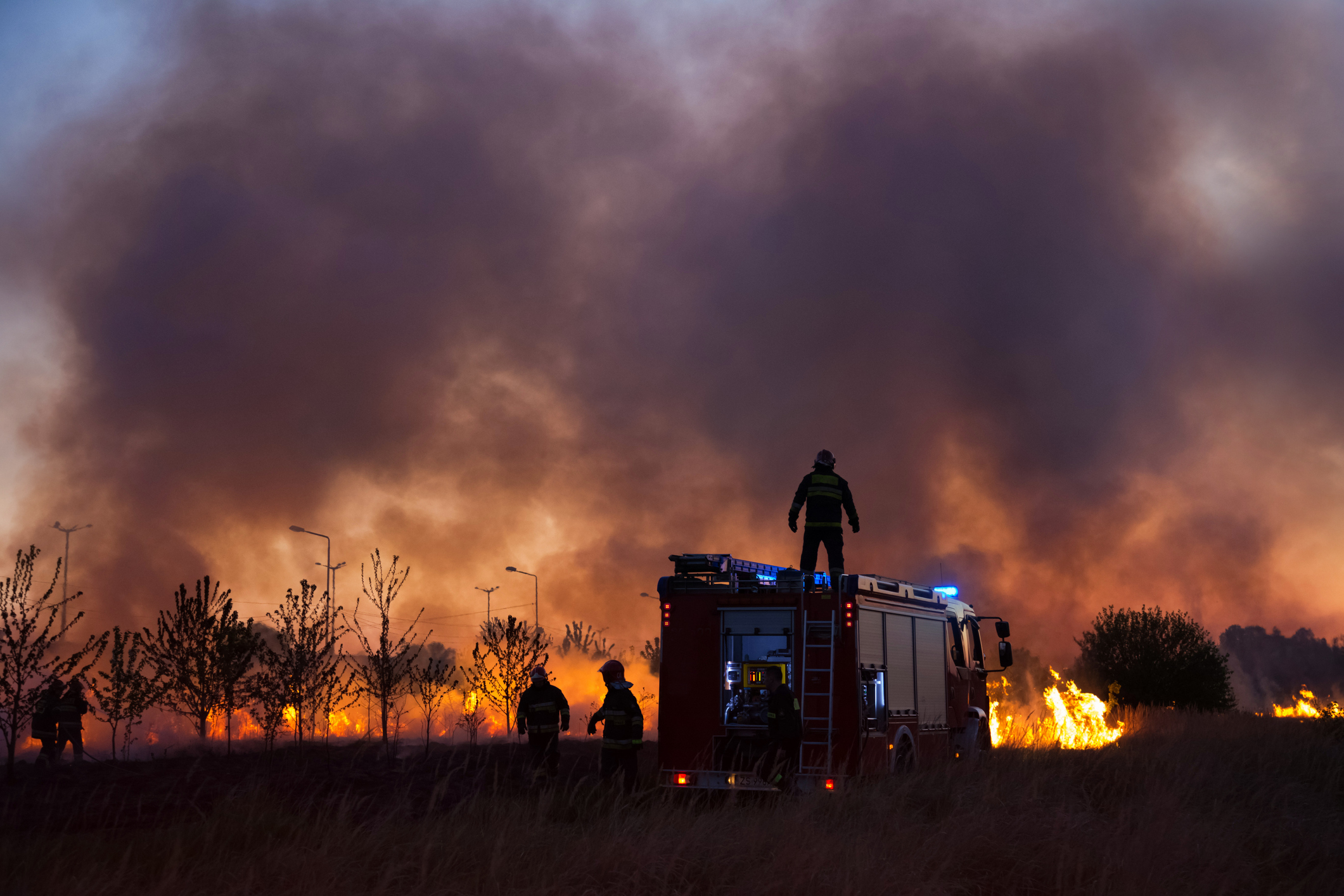
Wildfires are becoming more frequent and severe across western Canada, putting communities at greater risk. If you own property in British Columbia, Manitoba and/or Saskatchewan, you may be able to access free support from Wildfire Defense Systems (WDS) through Aviva for greater wildfire protection.
If an active wildfire threatens your property, WDS may enter the evacuation zone and take action to help reduce damage. These actions could include, but are not limited to:
- Measures such as moving outdoor furniture, wood piles or other debris away from the property
- Closing any structure entryways, garage doors, and windows to prevent smoke and embers from entering the property
- Setting up temporary sprinkler systems to dampen the area around the property to reduce risk of ignition
- Applying fire blocking gel and fire retardant to the property and surrounding area to prevent fire from catching, if the threat is considered extreme
After the wildfire threat has passed, WDS may return to remove any fire blocking gel if it is safe to do so.
Please note: WDS is not a first responder service and is supplemental to all other public wildfire responders. They will work with local authorities in the area to safely access affected properties. However, there may be instances where WDS cannot provide services to the property, and there is no guarantee that services will be provided or will prevent damage.
Talk to an insurance advisor to learn more.
Eligibility for insurance savings may vary by policy. Device installation does not guarantee prevention of damage.

Home inventory list
Your home is filled with belongings of all kinds, from furniture and electronics to clothing, jewellery, tools, and keepsakes. If something unexpected happened, such as a fire, theft, or water damage, would you know how much it would cost to replace everything?
A home inventory list can help you:
- Keep track of what you own.
- Understand the value of your belongings.
- Support a home insurance claim, if needed.
- Confirm that your coverage still fits your needs.
How to create and store a list of your personal items
Choose a format that is easy for you to maintain. You can use one method or combine a few for a more complete record.
- Use a written list. A notebook, binder, or printed form can work well if you prefer a hard copy.
- Take photos. Photos can help document item condition, ownership, and details such as serial numbers.
- Record a video walkthrough. A room-by-room video can capture larger items, storage areas, and belongings that may be easy to overlook.
- Capture key details. Include item descriptions, purchase dates, receipts, warranties, serial numbers, and estimated values when available.
- Create a digital file. Download our handy home inventory form and fill out a sheet for each room in your home.
Store your list of personal property somewhere safe and accessible. Ideally, keep more than one copy in different places, such as a secure cloud folder, your email, an external drive, or a safety deposit box. If your home is damaged, you’ll want to be able to access your inventory list quickly.
-Home.svg?ext=.svg)
-Auto.svg?ext=.svg)
-Boat.svg?ext=.svg)
-Business.svg?ext=.svg)
-Collector.svg?ext=.svg)
-Prize-Indemnity.svg?ext=.svg)
-Motorcycle.svg?ext=.svg)
-RV-Class-A.svg?ext=.svg)
-RV.svg?ext=.svg)
-Travel.svg?ext=.svg)

