Date Published: 2026/03/26
Read Time: mins
Keeping your eyes on the road: Tips to avoid distracted driving
For many of us, driving is just part of our daily routine. But when we rush from place to place, distractions can creep in unnoticed, and a single moment of inattention can have life‑changing consequences. Distracted driving is a leading cause of collisions in Canada, contributing to roughly 20–25% of fatal accidents and 25–30% of serious injuries annually, according to Transports Canada and Traffic Injury Research Foundation. It’s up to all of us to stay focused on the road and keep everyone safe when we get behind the wheel.
Let’s talk about the common ways distracted driving can occur, how to remove distractions before we start driving, and ways we can maintain our focus when operating a vehicle.
How distracted driving happens
- Using your phone (texting scrolling or calling). Phone use while driving pulls your attention away from the road and slows reaction time. If it’s urgent, pull over safely before using your device.
- Eating or drinking. Eating behind the wheel often means taking one hand off the steering wheel and shifting your attention away from the road, increasing the risk of delayed reactions and missed hazards.
- Applying makeup, brushing your hair, or other personal care activities. Personal grooming takes your eyes off the road and your hands off the wheel, even if only for a moment. These split‑second distractions can be dangerous at any speed, so save grooming for before you leave or once you’ve safely parked.
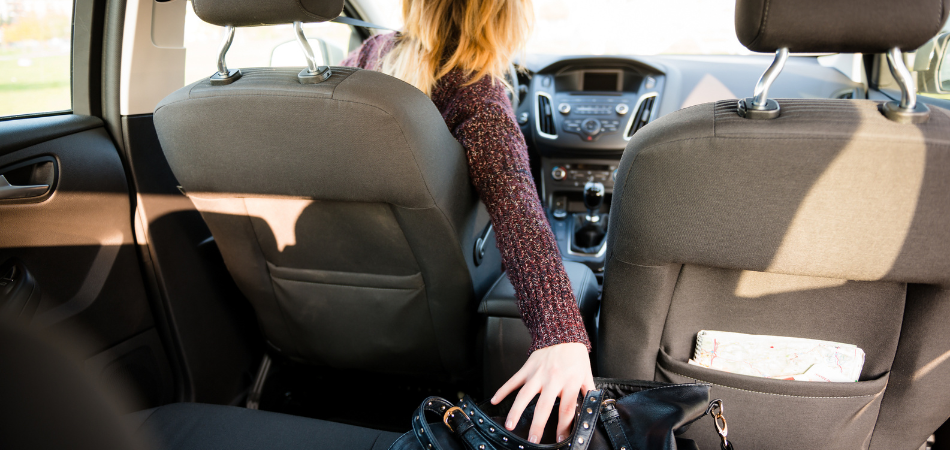
- Attending to your kids or grabbing an item from the backseat. Reaching into the backseat takes your focus from the road and causes you to take your hand off the wheel. If it’s something that can’t wait, find the nearest spot to pull over safely.
Here is a full list of common causes for distracted driving.
Remove distractions before you get behind the wheel
You can prevent distracted driving before starting the car. Follow these steps to boost your focus before you drive:
- Get enough rest. Drive only when you’re rested and most likely to remain alert. Like drunk driving, drowsy driving can reduce reaction time, slow reflexes, and impair judgment.
- Leave extra time. Give yourself enough time to arrive alive even if you face unexpected delays. You’re more likely to feel stressed and take risks if you feel pressure to reach your destination on time.
- Plan your route. Program your GPS, check traffic conditions, and review the route and directions on the map before your trip. You may also look at a street view picture to better visualize your destination. Fussing with your GPS while you drive reduces your attentiveness to the road.
- Prepare for your day. Apply makeup or shave, read emails, eat breakfast, and drink coffee before leaving home. Grooming, reading, or other multitasking behind the wheel is unwise.
- Secure children, pets, and gear. Any time you remove your hands from the wheel, you could lose control of your car. That’s why you want to buckle kids into a car seat or seat belt and use a harness or crate for your furry friends. Reduce clutter, as unsecured objects can easily roll, fall, or shift and draw your attention off the road.
- Set the controls. Prepare your vehicle so you’re comfortable and set for the journey. Adjust the seats, mirrors, climate controls, and playlist before you put the vehicle in gear.
- Turn off your phone. No call, text message, social media post, or notification is worth an accident. Even hands-free technology can steal your full attention and distract you from seeing signs or noticing hazards.
Tips to help reduce distracted driving as a passenger
Even if you’re not driving, you can assist with keeping everyone safe.
- Manage the GPS. Take over navigation duties so your driver can focus on the wheel2.
- Scan the road. While you don’t want to become a passenger seat driver, notice potential distractions or hazards, and alert the driver of any danger.
- Reduce distractions. Help settle energetic kids and pets, turn down the music and choose light conversation topics to help the driver stay focused.
- Insist on safe driving. Only ride with drivers committed to following the rules of the road. Offer to take over driving duties or suggest a break if the driver becomes distracted.
What to do if you get in a collision
- Check to make sure no one is hurt.
- Move your vehicle to a safe location if possible and determine if you need to call the police.
- Record details of the collision and only exchange necessary information.
- Contact your insurer to help walk you through next steps.
If you’d like to explore this topic further, Accidents happen: What to do after a car collision offers additional insights to help you feel prepared.
Distracted driving puts everyone on the road at risk. Hopefully these tips on safe driving can help keep you, your passengers, and other drivers safe while we all commute. If you’re shopping for auto insurance or want to review your current policy, contact an Orbit Insurance broker for personalized advice and coverage options tailored to your needs.
-Home.svg?ext=.svg)
-Auto.svg?ext=.svg)
-Travel.svg?ext=.svg)


-Home.svg?ext=.svg)
-Auto.svg?ext=.svg)
-Boat.svg?ext=.svg)
-Business.svg?ext=.svg)
-Collector.svg?ext=.svg)
-Prize-Indemnity.svg?ext=.svg)
-Motorcycle.svg?ext=.svg)
-RV-Class-A.svg?ext=.svg)
-RV.svg?ext=.svg)
-Travel.svg?ext=.svg)

