Date Published: 2025/11/10
Read Time: mins
Winter safety guide for seniors: Stay warm, stay safe
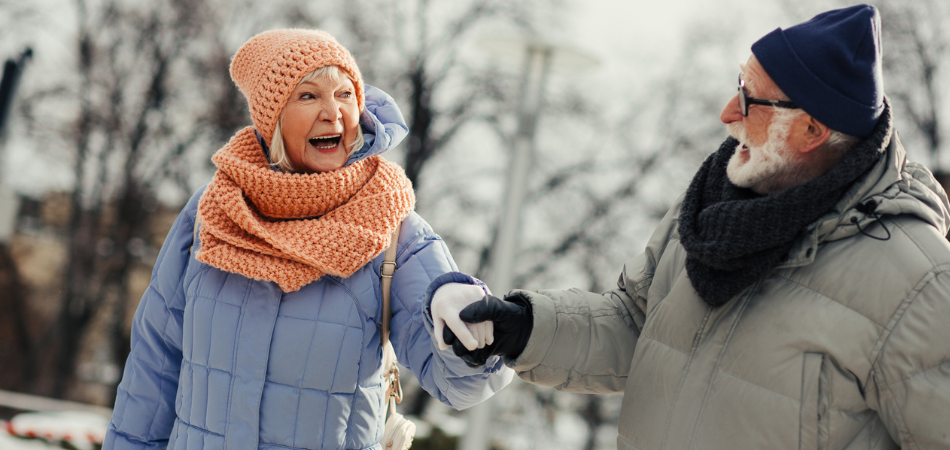
Winter in Canada brings beautiful snowy landscapes, but it also requires careful preparation, especially for older adults.
Cold weather can be hazardous. Every winter, Canadians experience serious injuries and even death from exposure to the cold. Seniors face heightened risks due to age-related changes that can make it harder to recognize when their body temperature drops dangerously low. From slips on icy walkways to the dangers of hypothermia and frostbite, winter safety demands proactive planning.
This winter safety guide for seniors provides a practical checklist to help you prepare your home and property for the cold months ahead, along with essential safety tips to keep you warm and protected all season long.
Your home preparation checklist
Getting your home ready before winter arrives is essential for staying warm and safe. Use this checklist to ensure your living space is winter-ready:
Heating and temperature
- Set your thermostat to at least 20°C (68°F). Even mildly cool homes with temperatures between 15 and 18°C can lead to hypothermia in older adults.
- Schedule a professional heating system inspection before the cold weather arrives.
- Ensure your heating system is working efficiently, and all vents are unobstructed.
- If considering a space heater, research safe models and follow all manufacturer guidelines to avoid fire hazards and carbon monoxide risks.
Power outage preparation
- Identify a backup location (friend or family member's home) where you can stay if you lose heat.
- Know the contact information for your utility company to report outages.
- Research local community centres that serve as warming centres during extreme cold.
Insulation and draft prevention
- Place rolled towels in front of doors to block drafts and keep warm air in, especially near older or loose doors.
- Keep blinds and curtains closed during cold weather to help insulate your home and reduce heat loss, especially at night or in very cold conditions.
- Inspect windows for gaps and seal with weather stripping or caulk to prevent cold air leaks, keep temperatures steady, and reduce energy costs.
- Check attic and wall insulation; upgrade if needed to boost energy efficiency and keep your home warm in winter.
- Seal cracks around doors and windows with caulk or sealant to prevent heat loss and keep your home comfortable in winter.
Safety devices
- Test smoke and carbon monoxide detectors every month to confirm they work, especially in winter when windows are closed and heaters are on.
- Change batteries in all detectors regularly to ensure alarms work. Set yearly reminders or replace them sooner if needed.
- Make sure fire extinguishers are accessible and up to date, especially in winter when heating appliances raise fire risk.
- Keep emergency numbers by phones for quick access in case of fire, medical emergencies, or power outages.
Emergency supplies
- Stock non-perishable food and bottled water (at least a three-day supply) in case you are unable to leave home during a winter storm or power outage.
- Gather flashlights, batteries, and a battery-powered or hand-crank radio to stay informed and safe if the electricity goes out.
- Prepare extra blankets and warm clothing in an accessible location to keep warm if heating systems fail or you need to shelter in place.
- Keep a first aid kit stocked and up-to-date so you can address minor injuries or medical needs until help arrives.
- Maintain a list of current medications and prescriptions, including dosages and pharmacy contacts, to ensure you have what you need if you can't reach your pharmacy.
Tip for family members and caregivers: Schedule a pre-winter home visit to help your loved one complete this checklist. Your assistance can prevent emergencies and provide peace of mind throughout the winter season.
Property safety checklist
Your outdoor spaces require special attention to prevent falls and injuries during winter. Use this checklist to maintain a safe property:
Snow and ice management
- Arrange for snow removal services before the first snowfall. Avoid shovelling yourself when possible, as it poses fall and heart attack risks for older adults.
- Keep a supply of ice melt or sand near all entrances.
- Apply ice melt or sand to walkways, driveways, and steps after each snowfall.
- Clear snow from paths within 24 hours of accumulation.
- Ensure downspouts direct water away from walkways to prevent ice buildup.
Outdoor safety features
- Install or repair handrails on all outdoor stairs and walkways to provide steady support and reduce the risk of falls, especially when surfaces are icy or slippery.
- Add motion-sensor lighting near entrances and along pathways to automatically brighten dim areas at night, making it easier to see hazards and safely navigate your property.
- Remove any obstacles or tripping hazards from walkways before winter, such as garden tools, hoses, or loose stones, so paths remain clear and safe when visibility is low or snow covers the ground.
- Mark steps with reflective tape for visibility, helping you and visitors identify changes in elevation even in poor lighting or when snow obscures the edges.
- Keep a sturdy mat at each entrance to prevent ice and snow from tracking indoors, reducing indoor slipping hazards and keeping entryways dry.
Vehicle preparedness
- Ensure your vehicle is equipped with winter tires. Having winter tires will improve traction and handling on icy or snowy roads, significantly lowering the chances of an accident.
- Stock your vehicle with warm blankets and extra cold-weather clothing. These supplies can keep you safe and comfortable if you get stranded or delayed in cold weather.
- Keep an emergency kit in your car that includes jumper cables, a small shovel, and sand or kitty litter for traction. This kit can help you address common winter driving challenges, like a dead battery or getting stuck in snow.
- Ensure your mobile phone is fully charged before any trip. A charged phone allows you to call for help or check weather and road conditions if necessary.
Tip for family members and caregivers: Visit regularly checking that walkways remain clear and safe. Consider installing a doorbell camera so you can monitor conditions remotely and arrange for help when needed.
Personal safety and daily routine tips
Beyond property preparation, your daily habits and routines play a crucial role in staying safe during winter.
Communication plan
- Create a list of emergency contacts, including family, neighbours, doctors, and local emergency services.
- Designate a "winter buddy" who will check on you regularly during cold weather.
- Ensure someone has a spare key to your home.
Dressing for cold weather
- Dress in warm, loose layers when going outdoors. The air between layers provides insulation.
- Ensure your outer layer is wind-resistant and waterproof.
- Always wear a hat, scarf, and gloves or mittens to prevent heat loss.
- Change out of damp clothing immediately.
- Dress warmly even when staying indoors. Wear socks, slippers, and use throw blankets.
- At bedtime, use extra covers, wear long underwear under pyjamas, and consider a head covering.
Before going outside
- Check Environment and Climate Change Canada's weather forecast for extreme cold warnings.
- If conditions are particularly windy or cold, limit your time outdoors.
- Let someone know when you're planning to go out and when you expect to return.
- Bring a fully charged mobile phone.
- If the weather is severe, stay inside and use delivery services for prescriptions and groceries.
Health monitoring
- Watch for frostbite warning signs: numbness, yellowish or white skin, hard-to-touch areas, particularly on hands, feet, nose, and ears.
- Be alert for hypothermia symptoms: cold hands and feet, puffy face, pale skin, shivering, slurred speech, confusion, or feeling sleepy.
- Talk to your doctor about how your medications or health conditions (diabetes, thyroid problems, arthritis, Parkinson's disease) may affect your ability to stay warm.
- Remember that heart conditions can be strained by cold weather. Avoid strenuous activities like shovelling snow.
- Maintain your weight by eating enough food, as some body fat is needed to help you stay warm.
- Avoid or limit alcohol intake, as alcoholic drinks can cause you to lose body heat.
Emergency response
- Know that hypothermia is a medical emergency. Call 911 immediately if you or someone else shows symptoms.
- If someone has hypothermia, move them to a warmer place, offer warm drinks, and wrap them in dry blankets while waiting for help.
Protecting your home with insurance
While this checklist helps you prepare for winter's challenges, having proper home insurance coverage provides an essential safety net. Winter can cause unexpected property damage, from burst pipes due to freezing temperatures to structural damage from heavy snow and ice accumulation.
A comprehensive home insurance policy protects you from the financial burden of winter-related incidents. It's important to review your coverage to ensure it adequately protects your home and belongings and provides liability coverage. Many policies also include additional living expense coverage if you need temporary accommodation due to a covered loss, such as a heating system failure or severe storm damage.
At Orbit Insurance Services, we understand that Canadian winters demand reliable protection. Our team can review your current policy, help identify coverage gaps and ensure you have the proper protection for your specific needs. Having the right insurance means one less worry during the cold season.
Request a home insurance quote from Orbit Insurance Services today and enjoy the peace of mind that comes with knowing both you and your home are protected throughout the winter season.
-Home.svg?ext=.svg)
-Auto.svg?ext=.svg)
-Travel.svg?ext=.svg)


-Home.svg?ext=.svg)
-Auto.svg?ext=.svg)
-Boat.svg?ext=.svg)
-Business.svg?ext=.svg)
-Collector.svg?ext=.svg)
-Prize-Indemnity.svg?ext=.svg)
-Motorcycle.svg?ext=.svg)
-RV-Class-A.svg?ext=.svg)
-RV.svg?ext=.svg)
-Travel.svg?ext=.svg)

